Intercultural onboarding is digital AND human
The Allure of Automation
Over the last few years, I’ve watched organizations fall deeply, almost exclusively, in love with digital onboarding apps.
Why Do We Love Digital Onboarding?
From a logistical standpoint, I completely get it. E-learning platforms are highly efficient, infinitely scalable, and remarkably cost-effective for busy HR departments managing global talent pipelines.
With just a few clicks, you can automate mandatory compliance videos, gamify those notoriously dry IT security quizzes, and create a beautiful, easily searchable Wiki. These platforms are brilliant for explaining exactly how to book a hot desk, submit a convoluted travel expense report, or operate the intimidating office coffee machine. When a company is rapidly expanding, digitizing these standard procedures feels like a massive operational victory. It provides a standardized experience and ensures that every single new hire receives the exact same baseline of administrative knowledge on their very first day.

the limits of technology
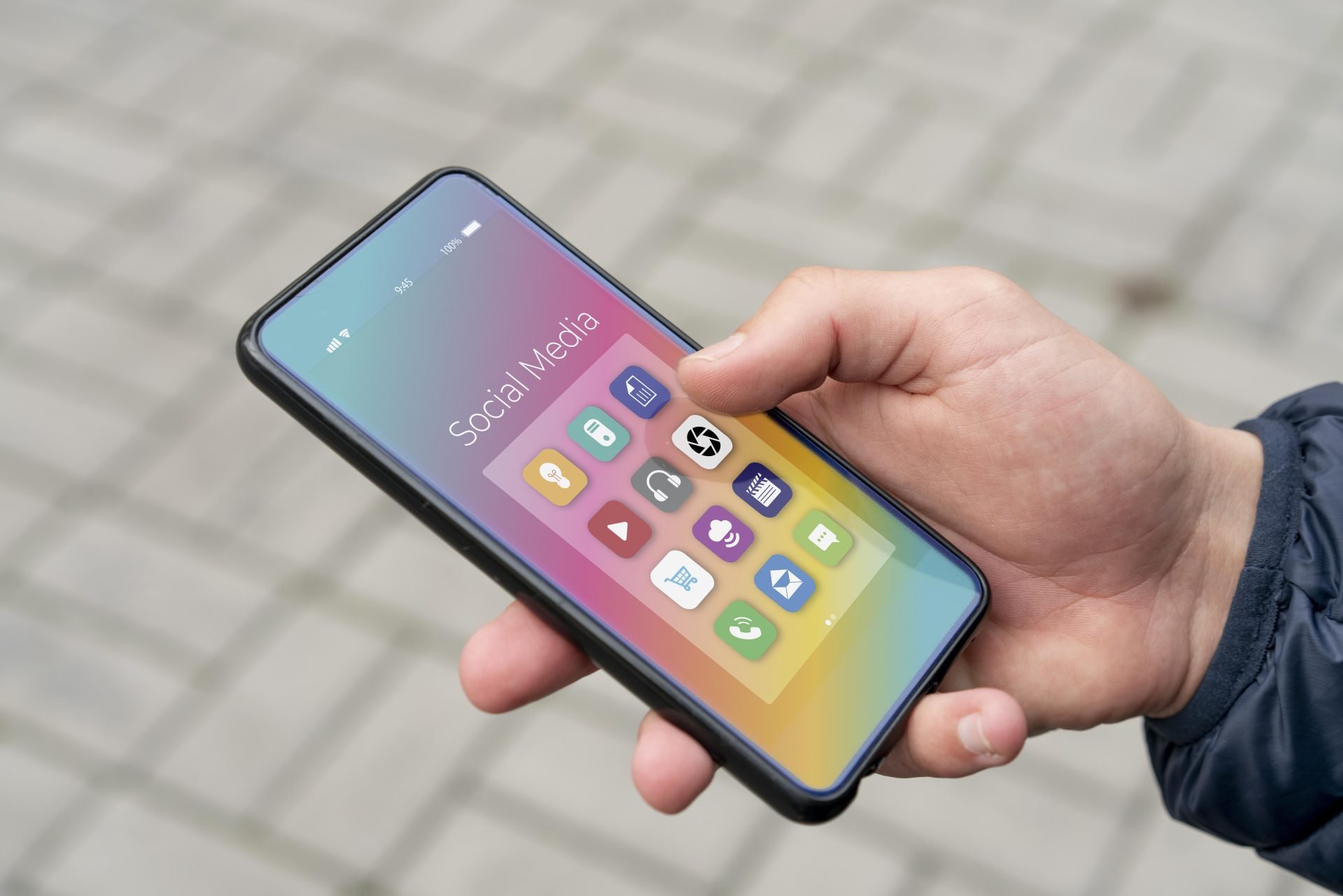
But here is the hard truth: an app cannot teach a newly arrived expat how to read the room. Digital onboarding is phenomenally successful for transferring raw information and procedural data. It is, however, completely useless for transferring culture.
You can build the most intuitive interface in the world, but it will never replace human nuance. An app cannot explain the unspoken boundaries of privacy, such as why a German colleague was deeply offended when an international hire casually asked them how much rent they pay for their apartment.
A sleek e-learning video module cannot teach a manager how to tactfully disagree with a superior in a high-stakes German Works Council meeting without burning critical political bridges. You cannot automate empathy, you cannot digitize psychological safety, and you cannot code unwritten social rules into a user dashboard.
And most importantly, an app doesn’t enable discussion, questions and an exchange of experiences and best practices.
a blended approach can scale belonging
So, how do successful global companies solve this? The organizations boasting the highest international retention rates aren’t abandoning their software; they are utilizing a highly intentional blended model. They use digital tools to aggressively automate the administrative heavy lifting so that HR and team leads actually have the time and bandwidth to do the complex human work.
They understand that while apps scale processes, humans scale belonging. You absolutely need both to succeed. Here is what a successful blended onboarding approach looks like in practice:
Dedicated Intercultural Coaching: Moving beyond basic lists of “dos and don’ts,” successful companies provide tailored coaching that helps expats decode the specific communication styles, feedback loops, and leadership expectations of their new geographic location.
1-on-1 Mentorship Programs: They pair new international hires with seasoned internal guides—often someone outside their direct reporting line—who can help them navigate the informal networks and unwritten political landscape of the office.
Psychological Safe Spaces: They actively facilitate confidential, human-led environments where expats are encouraged to ask the “stupid” or embarrassing cultural questions they would never dare to post on a public Slack channel or ask their direct supervisor.
Extended Integration Timelines: Rather than treating onboarding as a two-week digital sprint to completion, they view cultural integration as a 6-to-12-month journey, incorporating regular check-ins to monitor social integration and emotional well-being.
When you invest in the human element alongside the digital, you transition from simply processing international talent to actually retaining it. So let’s have a chat and discuss the intercultural onboarding of your international teams.

Book a discovery call
Let’s have a 30 minute discovery call to plan a workshop that fits your needs and achieves the goals of your team.